
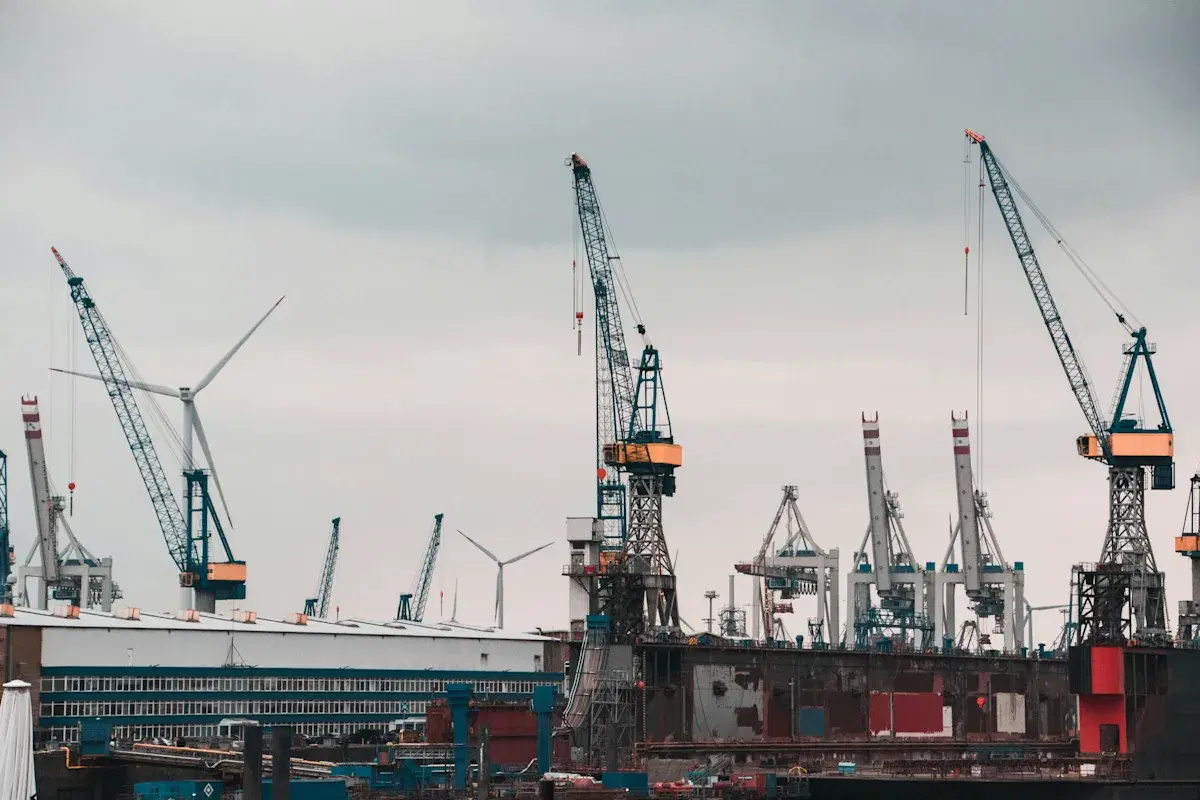
Manufacturing: Optimizing Supply Chain with Salesforce
Optimizing Manufacturing Supply Chains with Salesforce
Introduction
Manufacturers today face complex supply chain challenges. Global disruptions, demand fluctuations, and siloed systems impede on-time, cost-effective delivery. In fact, 85% of manufacturing decision-makers say they must modernize operations to remain competitive. Salesforce supply chain optimization offers an innovative solution by providing unified visibility and agile processes critical for manufacturing success.
The Role of Salesforce in Supply Chain Optimization
Salesforce integrates seamlessly with existing enterprise systems such as ERP and MRP, becoming the backbone of a fully digitalized supply chain. Its capabilities—real-time visibility, AI-driven analytics, and automated workflows—empower executives to proactively identify bottlenecks, forecast demand accurately, and optimize resources effectively.
Key features include:
Real-time Visibility:
Dashboards provide instantaneous insights into inventory levels, order statuses, and supply chain disruptions, enabling proactive decision-making.
AI-driven Analytics:
Salesforce Einstein predicts demand fluctuations and potential bottlenecks, allowing manufacturing leaders to stay ahead of disruptions.
Automated Workflows:
Automated alerts, inventory management, and predictive ordering reduce manual intervention, improving efficiency and accuracy.
Success Story: Kawasaki’s Engines Division
Kawasaki’s Engines Division utilized Salesforce to transform their siloed supply chain management into a unified, responsive ecosystem. The company successfully integrated disparate data sources, significantly reducing lead times and inventory costs while improving responsiveness to market demands. This transformation allowed Kawasaki to enhance customer satisfaction through improved product availability and precise delivery timelines. [Reference]
Salesforce vs. Competitors: What Sets It Apart
While HubSpot and specialized industry solutions provide quick setups and user-friendly interfaces, Salesforce excels in scalability, customization, and comprehensive data integration. Its advanced analytics, real-time synchronization with ERP systems, and AI-powered forecasting capabilities provide a substantial advantage for large-scale, complex manufacturing environments.
However, Salesforce implementation often requires skilled resources to tailor the platform effectively. Here’s where expert consultation becomes crucial.
Wakencode Technologies specializes in Salesforce implementation and optimization for manufacturing companies. As a Salesforce Summit Partner, WNC's expertise bridges technology gaps, streamlines complex supply chains, and leverages AI for actionable insights. IT executives and CIOs interested in unlocking Salesforce's full potential can contact WNC for a personalized consultation.
Conclusion
Salesforce transforms manufacturing supply chains from traditional cost centers into strategic, agile operations. Through real-time visibility, AI-driven forecasting, and workflow automation, it enables manufacturers to navigate disruptions effectively and seize new growth opportunities. Investing in Salesforce supply chain optimization with experienced partners like Wakencode Technologies ensures manufacturers remain competitive and agile in an increasingly complex global market.